
Why PROCISE
A courier
held to a
clinical standard.
PROCISE DISTRIBUTIONS was built around a simple observation: the work that happens between a specimen being drawn and being tested is treated as logistics by most companies, and as clinical work by almost none. We treat it as clinical work.
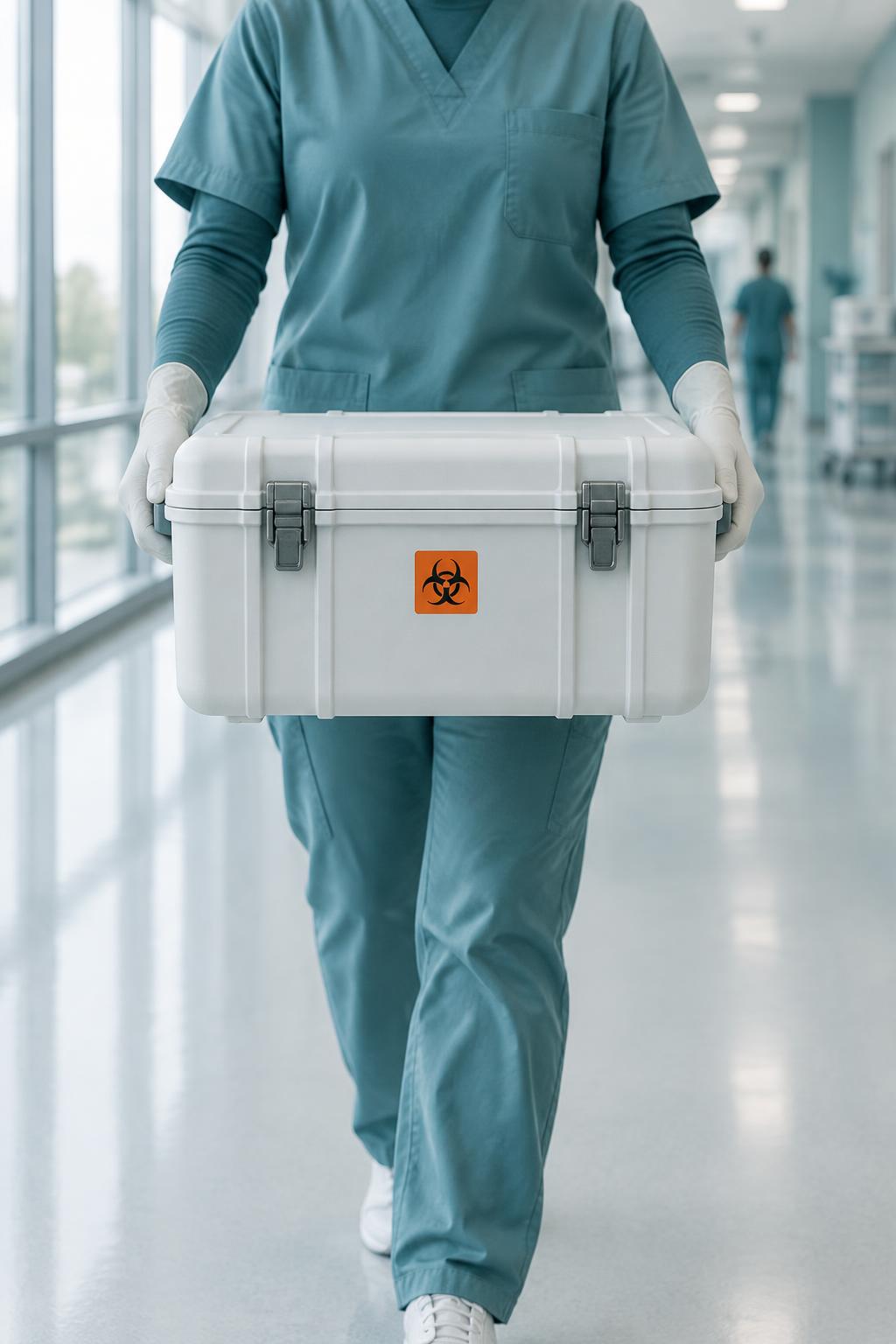
Sealed transport
Metro Atlanta
The operator
One standard,
held from the
top down.
PROCISE DISTRIBUTIONS is run by Eric Johnson, who built the business around express medical transport for the Atlanta facilities that cannot afford a slow answer. The operating idea is that quality and speed are not in tension: most delays in medical courier work come from a load being handled by too many people, not from a vehicle driving too slowly.
So the business is structured to keep the chain short. A request reaches the person responsible for it. The load is handled by a certified professional with federal clearance who knows what is in the case and why the timing matters. And the record of the run is signed at both ends, because a courier that cannot say who held a specimen has not finished the job.
We serve hospitals, reference labs and clinics across the Atlanta metropolitan area, on STAT calls, scheduled line hauls and dedicated organ and tissue runs.
Express
Runs dispatched to a driver
Certified
Federal clearance held
Accountable
Signed at both ends
How we operate
Four things
we do not
compromise on.
These are operating commitments rather than marketing points. They are also the four things worth asking any medical courier you are evaluating.
Express means dispatched, not queued
When you call a courier about a STAT load, the answer you need is a driver, not a ticket number. A request goes to the person who will actually run it, so the decision about whether it can be done is made by the one doing it.
Expertise is what happens with the vehicle parked
Driving is the easy part. The judgement is in how a load is packaged, whether a temperature is maintained, which end of the trip the paperwork belongs to, and knowing to ask a question before leaving rather than after arriving.
Clearance is not a formality
Federal clearance certifications mean we can be in the buildings and behind the doors that clinical work actually happens behind. A courier without it stops at the lobby. That difference shows up at 2 a.m. on a lab dock.
One accountable chain
The load is signed over at pickup by the person collecting it and signed for at delivery. If a question ever comes up about a run, there is a named record of who held it and when.

Chain of custody
The record of a run is only worth something if it is signed by a person at each end.
Ready when you are
Tell us what needs to move, and we will tell you when we can take it.